


📝 Highlights & Appeal Light spoilers
01① The shattered fantasy of "becoming popular"
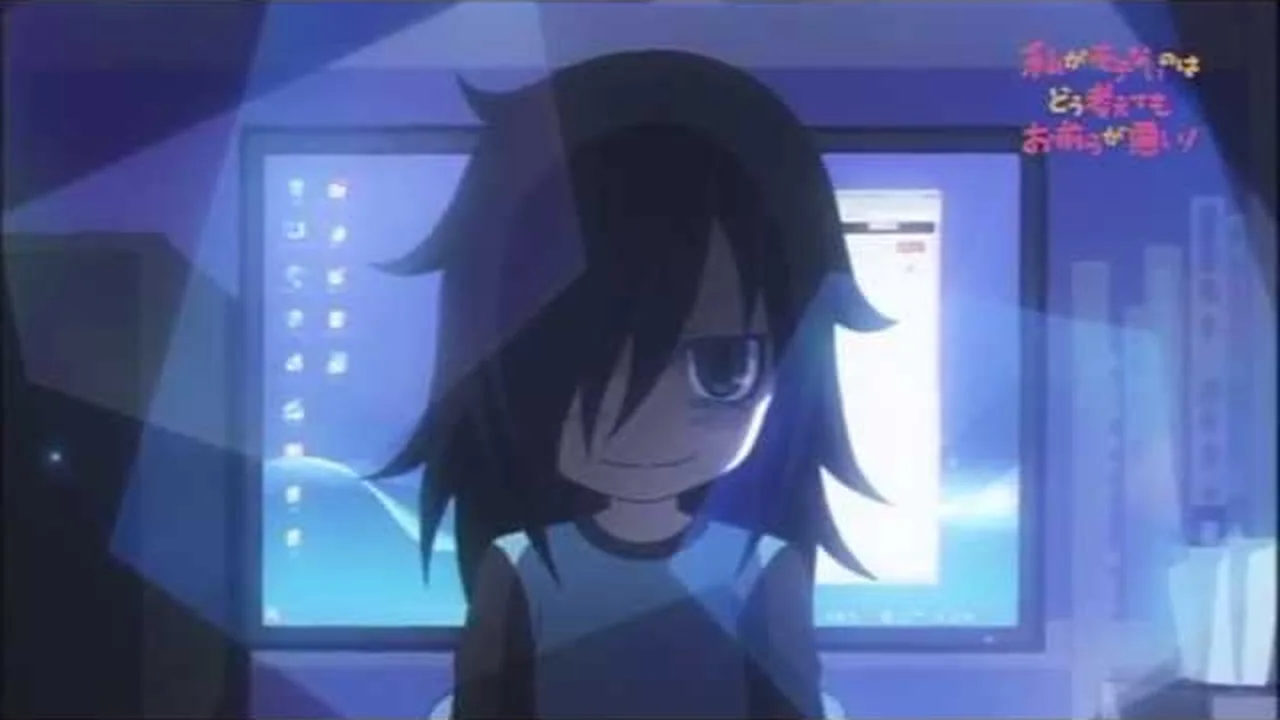
Tomoko believed that no matter how awkward she'd been in middle school, becoming a high schooler would naturally make her popular. Two months in, reality hits hard — she hasn't even made a single friend.
02② Wild inner monologues and unfiltered thoughts
Tomoko can barely say a word out loud, but internally she's a nonstop torrent of biting, self-deprecating commentary — her inner monologue is the series' biggest source of comedy.
03③ Yuu-chan, her one real friend
Yu Narusei, nicknamed Yuu-chan, is one of Tomoko's few friends from middle school — she watches over Tomoko's constant misfires with a mix of exasperation and genuine affection.
04④ A prickly relationship with her brother Tomoki
Her popular, soccer-playing younger brother Tomoki reacts coldly to his sister's cringeworthy behavior, but deep down still cares about her as family.
05⑤ Painfully misaligned social distance
Every attempt Tomoko makes to reach out to classmates ends in an awkward misfire — the social friction is uncomfortably, almost painfully realistic.
06⑥ Bonding over otaku hobbies
Otaku hobbies like otome games and doujin activities become unlikely bridges that slowly connect Tomoko to a handful of classmates as the series goes on.
07⑦ Deadpan, surreal comic timing
Rather than relying on loud slapstick, the show earns its laughs through careful comedic timing and subtle shifts in expression — a distinctive directorial style that's been widely praised.
08⑧ Theme song by Konomi Suzuki
The opening theme, sharing the show's own title, is performed by Konomi Suzuki and Kiba of Akiba, lending the series a lighthearted musical energy that contrasts with Tomoko's inner turmoil.
💡 Key Points & Predictions Some spoilers
The anime concluded with its 2013 season, but the original manga has continued its long run after moving to Young Gangan, digging even deeper into Tomoko's high school life. Manga-only chapters explore how her relationships shift after the school festival arc, along with small but real signs of growth for Tomoko herself. Calls for a sequel season remain persistent, and the series still regularly resurfaces as a topic of discussion online.
🧾 Story So Far Contains spoilers
Convinced that becoming a high schooler would make her popular, Tomoko Kuroki instead spends her days venting bitter, self-deprecating thoughts internally, having made neither friends nor a boyfriend two months into the school year. Supported by her rare close friend Yuu-chan, she buries herself in otaku hobbies like otome games and doujin work. During the school festival arc, she crosses paths with upperclassman Megumi Imae, and slowly starts finding small points of connection with classmates like Akane Okada and Hina Nemoto. Nothing especially dramatic happens — instead, the show builds a grounded, life-sized comedy out of Tomoko's constant misfires and tiny steps forward.
✅ Recommended Viewing Points
A school comedy that's funny while occasionally hitting uncomfortably close to home — a delicate balance the show pulls off remarkably well. It resonates especially deeply with anyone who remembers the awkwardness or loneliness of their own school days, and at a tight 12 episodes, it's easy to binge in one go.
👀 Trivia & Fun Facts
💫 Unresolved Foreshadowing Contains spoilers
- Tomoko's opening-episode conviction that she "should" be popular sets up a structure where that belief is repeatedly, painfully undercut throughout the series.
- The small moments of kindness her brother Tomoki shows despite their prickly relationship hint at a quiet, underlying family bond.
- Her deep dive into otome games and doujin activities isn't just otaku-hobby flavor — it doubles as a subtle thread about Tomoko searching for a place where she truly belongs.